Business
Canada Retaliatory Tariffs: 5 Risks for U.S. Trade
Canada retaliatory tariffs now target $20 billion in U.S. goods as trade talks stall. See the affected industries and risks for USMCA and North America.
Contents
- 1. Canada Retaliatory Tariffs Take Effect as Trade Talks Stall
Canada Retaliatory Tariffs Take Effect as Trade Talks Stall
Canada has imposed retaliatory tariffs on approximately $20 billion worth of U.S. goods, escalating an 18-month trade dispute between the two neighboring countries. The measures came into force after negotiations stalled, with duties ranging from 15% to 50% on products including steel, furniture, clothing and electronics.
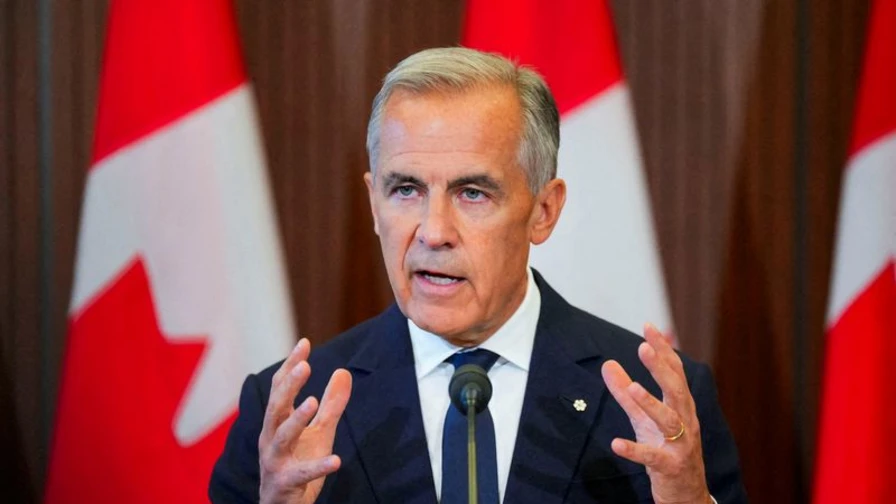
Prime Minister Mark Carney said Canada would need to reduce its economic dependence on the United States, even though such a shift would carry significant costs. The new policy marks one of the most serious breakdowns in the countries’ trading relationship in decades. New York Post
Why Canada Imposed Retaliatory Tariffs
Ottawa’s countermeasures respond to U.S. tariffs introduced the previous month. Those American duties covered roughly $20 billion of Canadian exports, including wine, furniture, dairy products, cement, clothing, fishing equipment and hockey gear.
Canadian officials designed the response to mirror the U.S. measures on a dollar-for-dollar basis. The goal is to create economic and political pressure in states where affected industries have an important presence, including Michigan and Ohio.
The timing is also politically significant. U.S. midterm elections are scheduled for November, giving Canadian policymakers an opportunity to focus attention on the domestic consequences of the trade dispute.
What Products Are Covered?
The Canadian tariffs apply to a broad group of American goods. The affected categories include:
- Steel and metal products
- Furniture
- Clothing and textiles
- Electronics
- Agricultural equipment
- Appliances
- Pulp and paper
- Selected food and consumer products
Rates vary by product. Some goods face a 15% duty, while others are subject to tariffs as high as 50%. The measures affect goods valued at about $20 billion, a relatively small share of total trade between the two countries but a potentially serious burden for specific businesses. New York Post
Canada’s Dependence on the U.S. Complicates the Strategy
Canada sends nearly 68% of its exports to the United States, according to government data cited in the report. About 80% of those shipments have moved duty-free under the United States-Mexico-Canada Agreement, commonly known as USMCA.
That level of integration makes a rapid economic pivot difficult. Canadian manufacturers, farmers and retailers often rely on cross-border supply chains, while many U.S. companies depend on Canadian energy, raw materials, food and industrial components.
Carney said Canada had the resources to diversify its economy and expand trade elsewhere. However, finding alternative buyers and suppliers would take time. Transportation costs, regulatory differences and established business relationships all make the U.S. market difficult to replace.
The Tariffs Could Affect Businesses on Both Sides
Tariffs are paid by importers, who may then pass higher costs to wholesalers, retailers and consumers. The final impact depends on whether companies absorb the expense, raise prices or shift to suppliers in another country.
For example, a Canadian furniture retailer importing products from the United States could face a higher landed cost immediately. A manufacturer that relies on American electronics or steel may also need to renegotiate contracts or search for substitute materials.
U.S. exporters could face similar challenges in Canada. Products that become more expensive may lose market share to Canadian or overseas competitors.
USMCA Faces Renewed Pressure
The widening dispute has raised concerns about the future of USMCA, the trade agreement that replaced NAFTA. The agreement has supported North American commerce for years by reducing tariffs and establishing rules for industries that operate across borders.
The current measures do not allow Ottawa to use USMCA exemptions for the targeted goods. That creates uncertainty for companies that had assumed the agreement would provide a stable framework for investment and trade.
Michael Harvey, executive director of the Canadian Agri-Food Trade Alliance and a member of Carney’s advisory committee on U.S. economic relations, warned that the countries could enter an “escalatory spiral.” He also acknowledged that the Canadian government needed leverage in negotiations. New York Post
No Government-Level Talks Are Underway
A Canadian government source said no ministerial or official negotiations were taking place between Ottawa and Washington when the tariffs took effect.
That absence of formal talks raises the risk that the dispute will continue without a clear off-ramp. Businesses may delay investment decisions, adjust inventories or seek new suppliers while waiting to see whether additional duties are announced.
The uncertainty is particularly serious for industries that require long-term planning, such as automotive manufacturing, aerospace, agriculture and heavy equipment.
Bombardier Becomes a New Flashpoint
The dispute also intensified after President Donald Trump said Bombardier would not be allowed to sell aircraft in the United States unless the company began manufacturing there.
Trump did not specify whether a formal government order would follow, but Bombardier shares fell more than 6% when trading opened in Toronto on Tuesday. The company’s aircraft business depends heavily on international markets, making the threat significant even before any official action is taken.
Trump has also threatened to increase U.S. tariffs on Canadian cars, trucks and auto parts to 50% beginning January 1. Such a move could have major consequences because the auto industry relies on manufacturing plants and parts suppliers located on both sides of the border. New York Post
Public Opinion Is Moving in Different Directions
The trade conflict appears to have strengthened support for Carney in Canada, at least initially. An Angus Reid poll showed his approval rating rising 11 percentage points to 62%.
That support could weaken if consumers begin facing higher prices, reduced product availability or job losses. Political analysts have warned that public patience may decline as the economic effects become more visible.
In the United States, a Reuters/Ipsos poll found that only 20% of Americans approved of the tariffs on Canadian goods. Low public support could increase pressure on lawmakers and affected industries to seek a negotiated settlement.
What Happens Next?
The immediate future depends on whether Washington and Ottawa return to negotiations. Several outcomes remain possible:
- A negotiated rollback: Both countries could remove some duties in exchange for concessions.
- A wider escalation: Additional tariffs could target automobiles, agriculture or other politically sensitive industries.
- A prolonged standoff: Businesses could face months of uncertainty while USMCA’s future remains unsettled.
- A gradual economic shift: Canada could pursue new trading relationships, although diversification would take years rather than weeks.
Canada’s retaliatory tariffs are designed to create leverage, but they also expose the risks of challenging a much larger trading partner. The dispute now threatens more than individual product categories. It could influence investment, supply chains and the future rules governing trade across North America.