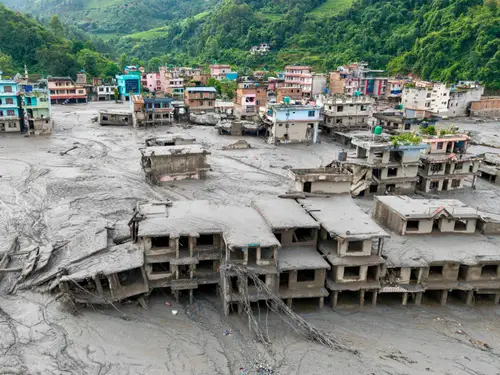
Catastrophic Himalayan Flash Floods Leave Hundreds of Foreign Tourists Missing
Emergency search-and-rescue teams across Nepal and China’s Tibet region are working to locate more than 540 foreign tourists unaccounted for following a glacial outburst disaster. The flash flood, triggered by a massive ice-and-rock landslide northeast of the Rasuwagadhi border crossing, sent a wall of mud, water, and debris surging through mountain valleys. The disaster has claimed over 350 lives, destroyed local infrastructure, and isolated entire border communities.
International Impact: Over 30 Countries Track Missing Travelers
The timing of the flood coincided with peak trekking and pilgrimage activity across the Himalayas. Travelers from more than 30 nations were swept up in the deluge, which destroyed hotels, mountain passes, and transit hubs along the Bhote Koshi and Trishuli rivers.
Official reports from the Nepal Tourism Board and international diplomatic missions highlight the scale of missing foreign nationals:
-
India: At least 178 citizens remain unaccounted for, many of whom were participating in Hindu pilgrimages to Mount Kailash in Tibet.
-
United States: Authorities report 65 American tourists missing across affected trekking zones.
-
Malaysia and Ukraine: Official counts cite 51 Malaysian nationals and 53 Ukrainian tourists out of contact with local agencies.
-
Australia and the United Kingdom: Diplomatic cables confirm 35 Australians and 33 British citizens missing in the border corridor.
-
Other Affected Nations: Unaccounted-for travelers include citizens from Canada (25), South Korea, Germany, Singapore, Russia, South Africa, and several European Union member states.
In addition, Chinese state media confirmed that roughly 260 foreign nationals are missing on the Tibetan side of the Gyirong land border.
Glacial Collapse Causes Widespread Infrastructure Failure
Satellite imagery analysis indicates that a catastrophic collapse of glacial ice and rock—located roughly 12 miles northeast of the Rasuwa border—initiated the surge rather than initial reports of an earthquake. The resulting deluge obliterated nearly 25 miles of road network and destroyed critical bridges, severely hampering ground transportation.
The Nepal Electricity Authority reported over 430 megawatts of hydroelectric capacity knocked offline, leaving surrounding districts without power or stable cellular service. Ground rescuers report entire mountain markets and riverside lodging facilities were completely erased by the mudflow.
Ongoing Rescue Operations and Emergency Support
The Nepali Army, along with Chinese emergency services in Tibet, has deployed rescue helicopters to evacuate survivors and deliver emergency supplies. Ground operations remain slow as crews navigate buried roads, active mudslides, and elevated river channels.
International aid agencies, including UN response units and the Red Cross, are mobilizing emergency relief funds and medical personnel. Foreign embassies in Kathmandu have established dedicated hotlines and field liaison units to help families trace missing travelers as recovery efforts proceed.