News
Nepal-Tibet Flood: 750 Dead as 3,000 Remain Missing
The Nepal-Tibet flood death toll has reached at least 750, with more than 3,000 missing. See the latest rescue, damage, and aid updates.
The Nepal-Tibet flood has become one of the region’s deadliest recent disasters, with hundreds confirmed dead and thousands still missing. Rescue teams are searching through mud, wreckage, and damaged communities along the Trishuli River as officials work to identify victims and reach survivors. Yahoo
Contents
- 1. Nepal-Tibet Flood Death Toll Reaches at Least 750
- 2. What Caused the Nepal-Tibet Flood?
- 3. Rescue Teams Search Through Debris
- 4. Foreign Nationals Are Among the Missing
- 5. U.S. Announces Humanitarian Assistance
- 6. Communities Face a Long Recovery
- 7. Authorities Continue Counting the Dead and Missing
- 8. What Happens Next?
- 9. Final Takeaway
Nepal-Tibet Flood Death Toll Reaches at Least 750
The death toll from last week’s Nepal-Tibet flood rose to at least 750 by Sunday, August 30, 2026, according to updates from Nepali and Chinese officials.
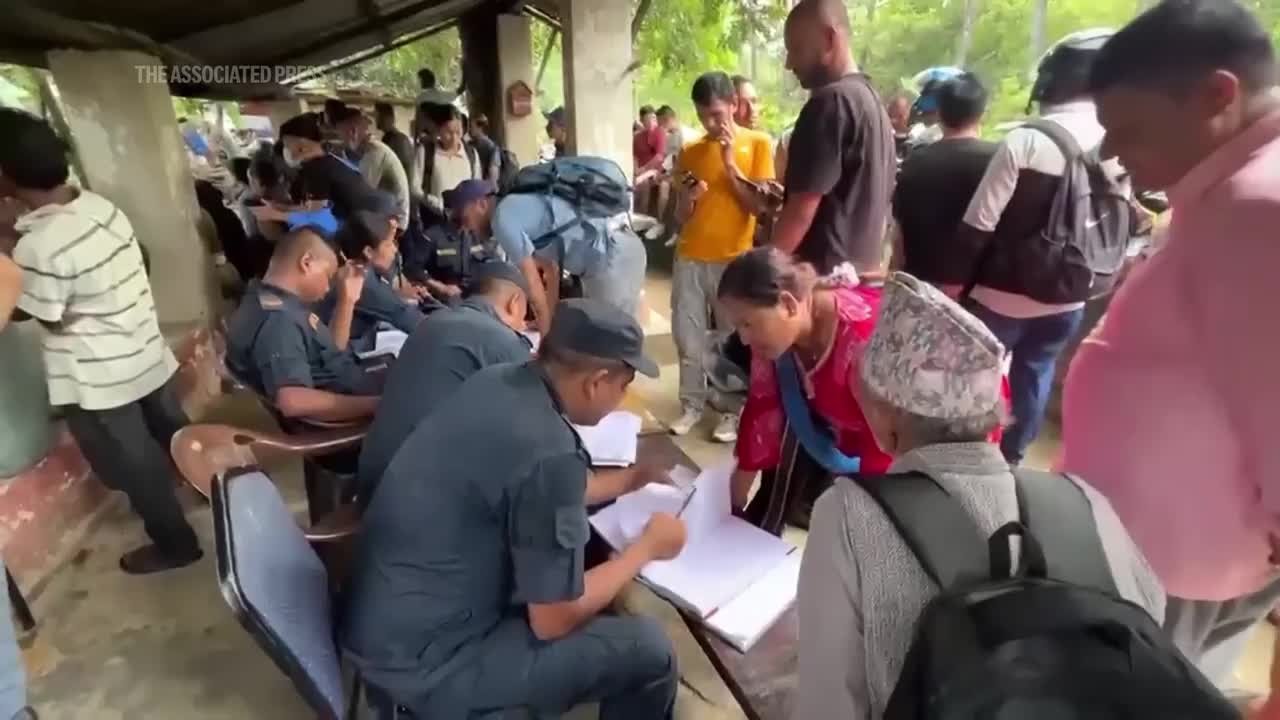
Nepal’s National Disaster Management Authority reported that at least 734 bodies had been recovered in Nepal. The agency said 2,498 people remained missing.
Across the border, China’s state-run Xinhua News Agency reported 16 confirmed deaths and 546 missing people in Tibet. The figures may continue to change as authorities compare records and search areas that remain difficult to access. Yahoo
Together, the figures indicate that more than 3,000 people remain unaccounted for across Nepal and Tibet.
What Caused the Nepal-Tibet Flood?
Authorities said the disaster began Wednesday morning in Nepal’s northern Rasuwa district, near the border with Tibet. The flooding hit communities along the Trishuli River at approximately 8:40 a.m. local time.
Officials believe a landslide or debris avalanche triggered the sudden surge. The U.S. Geological Survey recorded what it identified as a magnitude 5.2 landslide event rather than a conventional earthquake.
The collapse began near a high mountain cliff and sent rock, ice, mud, and water down the slope. The resulting flow traveled at least 62 miles downstream in Nepal, according to an analysis of verified video and satellite imagery. Yahoo
The Nepal-Tibet flood overwhelmed roads, bridges, buildings, and riverbank settlements before residents had enough time to evacuate.
A Sudden Wall of Water
Flash floods in mountainous areas can become especially destructive because water gathers rapidly in narrow valleys. A landslide can also block a river temporarily before the barrier gives way, releasing a concentrated surge downstream.
That appears to have contributed to the Nepal-Tibet flood. The combination of steep terrain, unstable slopes, and intense rainfall left communities with little warning.
The Trishuli River corridor includes important transportation routes, hydropower facilities, border infrastructure, and settlements. Damage to those systems has complicated both the rescue effort and the delivery of supplies.
Rescue Teams Search Through Debris
Nepal deployed thousands of personnel from its army, police, and armed police forces. Search teams have used helicopters, bulldozers, sniffer dogs, and heavy equipment to inspect damaged buildings and clear blocked roads.
The Nepalese army evacuated more than 100 people by helicopter, including people trapped near facilities connected to the Trishuli hydropower project. Injured survivors were transported to Kathmandu for specialized care. Yahoo
The Nepal-Tibet flood damaged almost 40 kilometers of roads and destroyed dozens of bridges, according to earlier reports. Those losses have made it difficult for rescuers to reach some villages and transport equipment into affected areas.
In Nuwakot district, thick mud covered homes and vehicles. Debris also became entangled in trees and power lines, creating additional dangers for emergency workers.
Search Efforts Face Dangerous Conditions
Rescuers are working under pressure while dealing with continuing rain, unstable slopes, damaged roads, and the risk of additional flooding.
A lake formed near the China-Nepal border after landslides blocked waterways. Officials warned that more rain could cause the lake to overflow or break through its natural barrier.
Authorities urged residents and rescue workers near the Bhote Koshi River to remain alert and move away from exposed areas if conditions deteriorate. Yahoo
The threat has slowed some operations linked to the Nepal-Tibet flood. Teams must search for missing people while also protecting themselves from landslides and another possible surge.
Foreign Nationals Are Among the Missing
The disaster affected local residents, workers, tourists, and religious pilgrims traveling through the Himalayan border region.
Nepal’s Tourism Board previously reported that hundreds of foreign nationals were missing, including people from India, the United States, the United Kingdom, Ukraine, South Africa, and Japan. Many were believed to be traveling toward Mount Kailash in Tibet, a destination regarded as sacred by several religious traditions. Yahoo
At least 90 Americans were still missing as of Friday, according to a U.S. State Department spokesperson. The department said five American citizens had been evacuated. Yahoo
Foreign governments have been trying to identify missing nationals and coordinate evacuations. The process has been complicated by damaged communications systems, incomplete travel records, and the scale of the Nepal-Tibet flood.
U.S. Announces Humanitarian Assistance
The U.S. State Department said its embassies in Nepal and China were assisting American citizens and supporting relief work.
The United States also announced $3.6 million in humanitarian assistance. The funding is intended to support life-saving aid, including up to three months of emergency food assistance for as many as 10,000 flood-affected households. Yahoo
The United Nations separately announced $2 million for emergency medical care, shelter, and clean water. Yahoo
Relief organizations are expected to focus on several urgent needs:
- Temporary shelter
- Safe drinking water
- Food distribution
- Emergency medical treatment
- Road and bridge access
- Family reunification
- Body identification and respectful burial
- Protection from additional landslides and flooding
Communities Face a Long Recovery
The immediate search for survivors remains the priority, but the Nepal-Tibet flood has also created a major long-term recovery challenge.
Families who lost homes or income may need assistance well beyond the first weeks after the disaster. Damaged bridges and roads can restrict access to schools, hospitals, markets, and workplaces.
Hydropower facilities and border routes may require extensive repairs. Communities located downstream could also remain vulnerable if rain continues or newly formed lakes and blocked waterways shift suddenly.
In Nepal, officials have begun coordinating larger relief operations for displaced residents. Earlier reports estimated that approximately 1,200 people had been forced from at least three villages. Yahoo
Why Mountain Disasters Can Escalate Quickly
The Nepal-Tibet flood highlights several hazards common in the Himalayas:
- Steep slopes that can collapse after heavy rain
- Glaciers and ice fields that may become unstable
- Rivers confined to narrow valleys
- Roads and bridges that can be washed away quickly
- Remote communities with limited emergency access
- Tour routes that cross exposed mountain corridors
These conditions make early warnings and reliable communication particularly important. Even a short delay can leave residents unable to move to higher ground.
Authorities Continue Counting the Dead and Missing
The reported figures are still being reconciled. Nepalese agencies, Chinese officials, tourism authorities, foreign ministries, and local governments may use different lists and counting methods.
Some missing-person reports could overlap, while other names may not yet have been reported because families remain unable to contact authorities. The confirmed death toll could therefore change as identification work continues.
Officials and relief agencies have also faced difficult conditions at temporary body-storage and identification centers. Forensic teams must document remains while managing an unusually large number of victims. Yahoo
Accurate identification is essential for families seeking information and for authorities trying to establish a reliable record of the Nepal-Tibet flood’s human cost.
What Happens Next?
Rescue teams are expected to continue searching damaged communities and river corridors. Authorities must also monitor rainfall, water levels, landslides, and the lake created by blocked waterways.
The next stages of the response will likely include:
- Expanding searches in areas previously cut off by debris.
- Evacuating residents near unstable slopes and rivers.
- Delivering food, water, medicine, and temporary shelter.
- Restoring critical roads, bridges, and communication systems.
- Identifying victims and notifying relatives.
- Assessing damage to homes, businesses, and infrastructure.
The Nepal-Tibet flood response will depend on coordination between national governments, local officials, military units, humanitarian agencies, and communities.
Final Takeaway
The Nepal-Tibet flood has killed at least 750 people and left more than 3,000 missing, according to the latest figures reported by Nepali and Chinese authorities.
The disaster appears to have been triggered by a powerful landslide or debris avalanche near the Himalayan border. It swept through the Trishuli River corridor, damaged roads and bridges, and left rescue teams working in dangerous conditions.
Humanitarian assistance is arriving, but the scale of the Nepal-Tibet flood means recovery will take months or longer. For families waiting for news, the search for missing people remains the most urgent task.