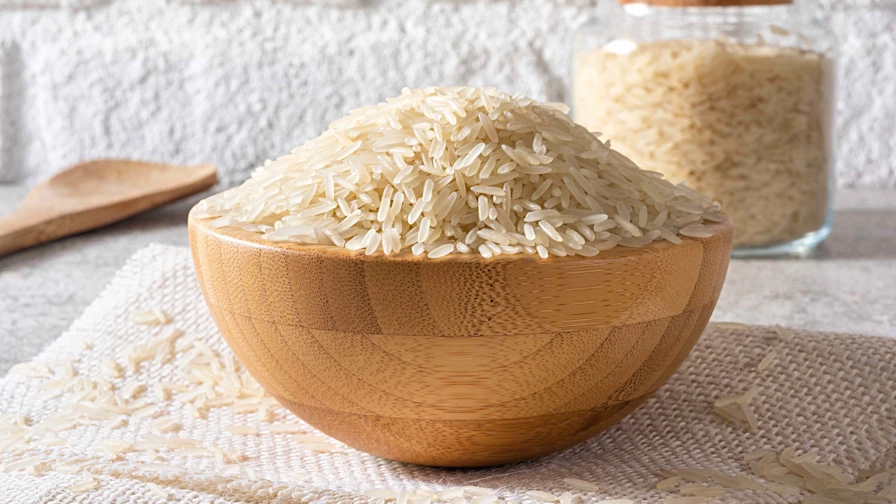
White Rice Recall Expands to 27,324 Packages
A white rice recall involving Lundberg Family Farms jasmine rice has expanded, adding new details about the amount distributed and the states affected. Consumers should check their pantry before preparing any Lundberg jasmine white rice purchased from major retailers.
The recalled product may contain foreign material, although officials have not publicly identified the specific substance. The affected rice was sold in 32-ounce packages and may still be in household pantries because its best-before dates extend into February 2027.
Which Rice Is Included in the Recall?
The recall applies to Lundberg Family Farms White Rice Jasmine sold in two-pound, or 32-ounce, packages.
A total of 27,324 packages are included. Together, the packages represent approximately 54,648 pounds of rice. The product was distributed in the following states:
- California
- Connecticut
- Florida
- Illinois
- North Carolina
- New Hampshire
- New York
- Pennsylvania
- Tennessee
- Vermont
- Washington
- Wisconsin
The rice may have been available through Wegmans, Target, Walmart, and other retailers. Distribution information can change as recall investigations are updated, so shoppers should rely on the product identifiers rather than the store name alone.
Package Details to Check
Compare the information on your package with the following details:
| Product detail |
Recalled information |
| Brand |
Lundberg Family Farms |
| Product |
White Rice Jasmine |
| Package size |
32 ounces, or 2 pounds |
| UPC |
073416040281 |
| Lot code |
260201MA |
| Best-before date |
February 1, 2027 |
| Lot code |
260202MA |
| Best-before date |
February 2, 2027 |
The UPC is typically printed near the barcode. Lot numbers and best-before dates may appear separately on the package, depending on the design and production run.
A package does not need to look damaged or unusual to be part of the recall. Food affected by a recall can appear normal, which is why checking the printed codes matters more than judging the product by its appearance.
Why Was the Jasmine Rice Recalled?
The stated reason is the potential presence of foreign material. The available recall information does not specify whether that material could be stone, plastic, metal, or another substance.
Foreign material can create a physical hazard if it is accidentally eaten. Possible concerns include choking, mouth injuries, or damage to teeth and the digestive tract. Because the exact material has not been identified in the published information, consumers should not try to remove suspicious grains and use the rest of the package.
The FDA classifies this incident as a Class II recall. That category generally means that consuming the product could cause temporary or medically reversible health effects, while the likelihood of serious harm is considered remote. The classification does not mean the product is safe to eat; it means the agency has assessed the potential risk within its recall framework.
What Should You Do If You Have Recalled Rice?
If your package matches the product name, size, UPC, lot code, and date listed above, take these steps:
- Do not eat the rice. Do not cook, rinse, or taste it to determine whether it is affected.
- Set it aside carefully. Keep it away from other food while you decide how to dispose of it.
- Discard the package. Place it in a sealed bag or container if possible so that nobody accidentally uses it.
- Clean the storage area. Wipe the pantry shelf or container where the bag was kept, particularly if rice spilled.
- Contact the retailer. Ask whether a refund or exchange is available. Wegmans previously indicated that qualifying purchases could be returned for a full refund; shoppers who bought the rice elsewhere should contact that store directly.
Do not donate the recalled rice, give it to another household, or use it as animal feed. A recall applies even if the product has been stored properly and remains within its best-before period.
What If You Already Ate the Rice?
People who ate the product and feel well should monitor themselves, but they should not assume that rinsing or cooking eliminates the potential hazard. Physical contaminants are not necessarily removed by ordinary food preparation.
If you experience pain, choking, difficulty swallowing, vomiting, or another concerning symptom after eating the rice, seek medical advice promptly. Anyone with severe symptoms should contact emergency services. When speaking with a health professional, keep the package or write down the brand, lot code, UPC, and date if those details are available.
The recall information reviewed for this update did not report confirmed illnesses. That does not change the instruction to stop using any package that matches the listed identifiers.
How to Check Your Pantry Efficiently
A quick pantry check can prevent an accidental meal from becoming a safety concern. Start with rice stored in its original bag, then inspect any airtight containers that may contain rice transferred from its packaging.
Use a phone flashlight if the printed lot code is faint. Compare every detail:
- The brand must be Lundberg Family Farms.
- The product must be White Rice Jasmine.
- The package must be 32 ounces.
- The UPC must be 073416040281.
- The lot code must be 260201MA or 260202MA.
- The best-before date must be February 1 or February 2, 2027, matching the applicable lot.
If the original package is gone and you cannot confirm the product information, do not serve the rice to guests or family members. When in doubt, throwing away a low-cost pantry item is the safer option than trying to identify it after the label has been discarded.
Does the Recall Include Other Lundberg Rice?
The published details identify a specific jasmine white rice product. They do not indicate that every Lundberg product is part of the recall.
That means shoppers should not automatically discard unrelated Lundberg varieties solely because they carry the same brand name. Check the product name, package size, UPC, lot code, and date. Other rice varieties, such as wild rice or rice blends, should be evaluated separately according to their own labels and any applicable recall notices.
Consumers should also avoid relying on social media posts that list broad claims such as “all white rice recalled.” The available information describes a limited product and specific production codes, not a recall of all white rice sold in the United States.
Why Pantry Food Recalls Can Be Easy to Miss
Rice is often purchased in bulk and stored for months, particularly when it is used for meal preparation, side dishes, soups, or large family gatherings. A best-before date in 2027 may make a package appear routine even though it is included in a recall announced earlier in 2026.
The original recall was reported in April, and later information expanded the distribution details and confirmed the number of packages involved. The updated figures show why it is useful to inspect pantry staples even when a recall is not prominently displayed at the store where the item was purchased.
For households that regularly buy packaged grains, a monthly check of rice, flour, pasta, canned goods, and infant or pet foods can make recall notices easier to act on. Keep product packaging until the food has been used, especially for items with long shelf lives. The label contains the information needed to match a recall accurately.
Bottom Line
The current white rice recall involves 27,324 two-pound packages of Lundberg Family Farms White Rice Jasmine distributed across 12 states. Check the UPC 073416040281, lot codes 260201MA and 260202MA, and the February 1 or February 2, 2027, best-before dates.
If your package matches, do not consume it. Dispose of the rice and contact the retailer about a possible refund. Recalled food may look perfectly normal, so the printed product codes—not appearance—should guide your decision.