News
Lawyers argue he was making amateur porn

Combs’ attorneys, who will appear before the Second Circuit Court of Appeals on Thursday, are also expected to argue before U.S. District Judge Arun Subramanian that conduct deemed “illegal” for which Combs was acquitted when calculating his sentence.
“The court declined to enforce the jury’s verdict,” Combs’ attorneys wrote in a December court filing.

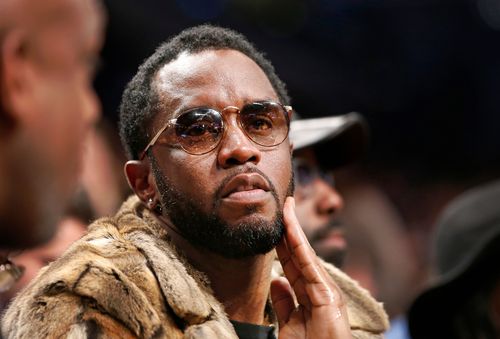
Combs was acquitted of more than serious charges, including racketeering and sex trafficking, after an eight-week trial. Prosecutors alleged that Combs forced the two women to have sex with male escorts, often by supplying drugs to keep them alive for several days. The marathon sex sessions – which were often filmed – were called ‘Freak Offs’ and ‘hotel nights’.
His lawyers argued that he should be released because defendants convicted of similar prostitution-related crimes typically receive 15-month prison sentences. They are also asking the appeals court to acquit Combs of the prostitution-related charges or send the case back to Subramanian for resentencing. Prosecutors are asking the three-judge panel to uphold the conviction and sentence.
Combs’ attorneys say prostitution is not defined in the Mann Act and ask the appeals court to reject an “overbroad interpretation of the law.”
“Freak-offs and hotel nights were highly choreographed sexual performances using costumes, role-playing and staged lighting, which were filmed so that Combs and his girlfriends could later view this amateur pornography. The production and viewing of this type of pornography is protected by the First Amendment and thus cannot be constitutionally prosecuted,” his lawyers wrote in a lawsuit.
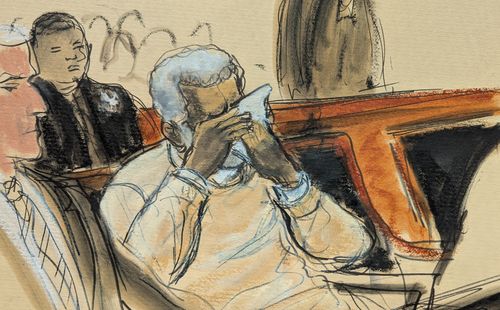
“In other words, the term ‘prostitution’ in the law should be limited to those situations in which a paying customer has sex with the person being paid,” his lawyers wrote.
Prosecutors called Combs’ argument “meritless.”
“Combs is in a very different position than the distributors of adult films: he hired and transported commercial sex workers to have sex with his girlfriends for his own sexual gratification, and at times directly participated in the sex acts,” prosecutors wrote in a response filed in February.
Siding with Combs, prosecutors said, would mean that “any suspect who transported others to engage in prostitution could escape liability simply by watching or filming the sex.”
Combs’ attorneys also say Subramanian “largely ignored” new guidelines from the U.S. Sentencing Commission, which prohibit acquitted conduct from being taken into account when calculating advisory sentencing guidelines.
Prosecutors said the new guidelines apply when calculating sentencing, not sentencing. In the latter case, judges may take other factors into account, including the character of the suspect.
They argued that Subramanian was “surgically focused” on conduct relevant to the Mann Act counts in determining sentencing.
‘As the court rightly noted'[n]Nothing in the Guidelines indicates that the Committee intended that courts should ignore conduct relevant to establishing the offense at issue, so a more restrictive reading of this language is untenable,” the prosecutors wrote.
NEVER MISS A STORY: Be the first to receive your latest news and exclusive stories by following us on all platforms.