News
Losses for UK Labour and wins for Reform in local elections
Partial results from local elections in England show big losses for Prime Minister Keir Starmer’s ruling Labor party and gains for the far-right Reform UK party.
The votes are widely seen as an unofficial referendum on Starmer, whose popularity has plummeted since he was elected less than two years ago as voters grew impatient for economic growth and dramatic change after 14 years of Conservative rule.
Starmer said he took responsibility for the “very tough” results but would not resign.
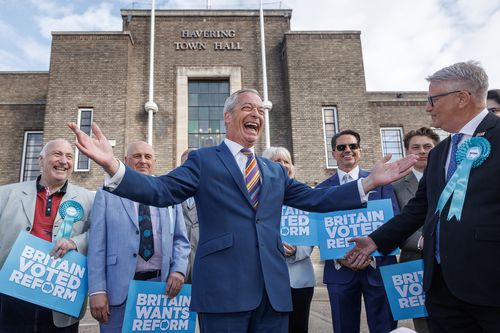
“Voters have sent a message about the pace of change and how they want their lives to be improved,” he said. “I was elected to take on these challenges, and I am not going to run away from those challenges and plunge the country into chaos.”
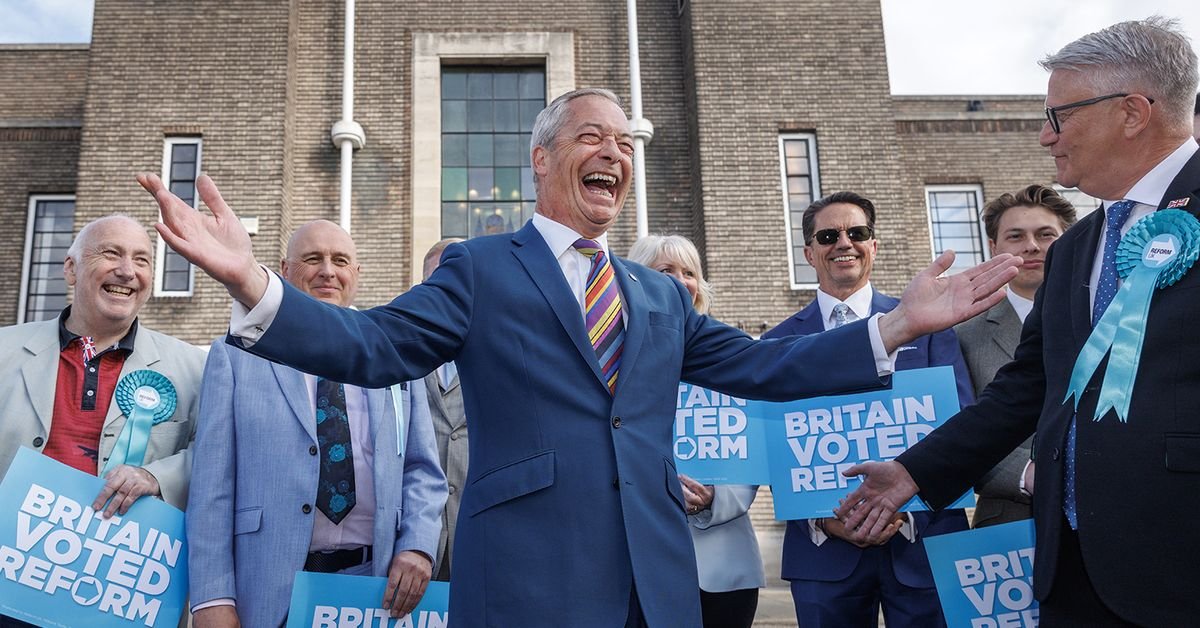
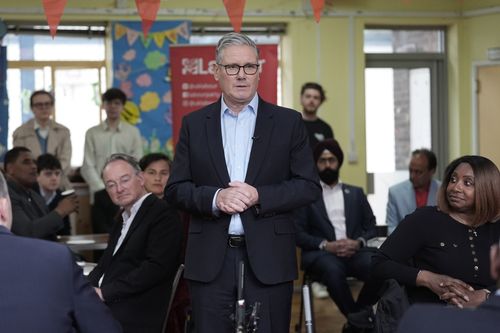
Reform UK, led by veteran nationalist politician Nigel Farage, won hundreds of council seats in working-class areas in the north of England such as Hartlepool, which was once a solid Labor ground, and also made Conservative gains in areas such as Havering in east London.
Farage said the results marked “a historic change in British politics”.
The picture will change throughout Friday as results come in from the majority of local councils, including Labor strongholds such as London. Votes will also be counted in competitions for semi-autonomous parliaments in Scotland and Wales.
The results reflect the fragmentation of British politics
Reform UK, based on an anti-establishment and anti-immigration message, is also eyeing breakthroughs in Scotland and Wales, although pro-independence nationalists such as the Scottish National Party and Plaid Cymru are more likely to form governments in Edinburgh and Cardiff.
A defeat for Labor could spark attempts by restive party politicians to oust a leader who brought them to power in July 2024. Even if Starmer survives for now, many analysts doubt he will lead the party into the next national election, due in 2029.
Deputy Prime Minister David Lammy warned the party against overthrowing the Prime Minister, saying: “You don’t change the pilot on the fly”.
Labor is losing votes to the right of Reform UK, and also to the Green Party, whose popularity has risen under self-styled ‘eco-populist’ leader Zack Polanski. The Greens hoped to increase their vote share and win hundreds of council seats in urban centers and university towns.
The Conservative Party is also expected to lose ground, with the centrist Liberal Democrats making some gains.
The results reflect a fragmentation of British politics after decades of Labor and Conservative domination, and make the outcome of the country’s next national election difficult to predict.
John Curtice, professor of politics at the University of Strathclyde, said Britain was entering a new political era in which “none of the parties is very big”.
“Even the reforms are unlikely to get quite 30 percent of the vote, so the fracture in British politics is underlined by these results,” he told the BBC.
Starmer’s future is under threat
Starmer’s popularity has plummeted after repeated missteps and U-turns on policies such as welfare reform. His government has struggled to deliver on promised economic growth, fix flawed public services and lower the cost of living — tasks made even more difficult by the U.S.-Israeli war with Iran, which has blocked oil shipments through the Strait of Hormuz.
The prime minister has been further hurt by his disastrous decision to appoint Peter Mandelson, a scandal-tainted friend of Jeffrey Epstein, as the British ambassador to Washington.
Poor election results could trigger a challenge from a high-profile rival such as Health Secretary Wes Streeting, former Deputy Prime Minister Angela Rayner or Greater Manchester Mayor Andy Burnham. Alternatively, Starmer could come under pressure from the party to set a timetable for his departure after an orderly leadership contest.
“I don’t think Keir Starmer should survive these results,” said Labor politician Jonathan Brash, who represents Hartlepool in parliament. “We need to be braver and go further. And frankly, we need new leadership to get there.”