Celebrity
Shark Tagger jobs: How to become a Shark Tagger in Australia and everything to know from Senior Fisheries Scientist, Amy Smoothey | Exclusive Interview

Like many Australian children, Dr Amy Smoothey spent most of her childhood on the coast.
She spent her free time on the beach, snorkeling, fishing and walking along the rocky shores.
But as she got older, there was something about Australia’s attitude to the ocean that bothered her, and that was the misrepresentation and misinformation surrounding sharks.
Today, Smoothey is a shark ecologist with the NSW Department of Primary Industries, where he focuses on educating the public on the fact that sharks are ‘not mindless predators’, but instead ‘play an important role in keeping the marine ecosystem in a balanced and healthy state’.
“An ocean without sharks is much scarier than an ocean with sharks,” she tells nine.com.au.

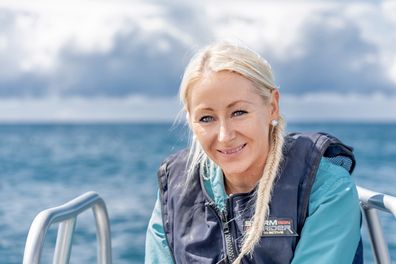
Smoothey has been working with sharks for over 16 years now, with a passion to help protect them and their habitats, while keeping people safe in the ocean.
“My typical day or week is very diverse, and that is one of the main aspects I enjoy about my job,” she says.
“This can involve field catching and tagging sharks, conducting shark dissections, investigating shark bite incidents through to data analyses, writing research papers and reports to provide evidence-based scientific findings to managers and the public.”

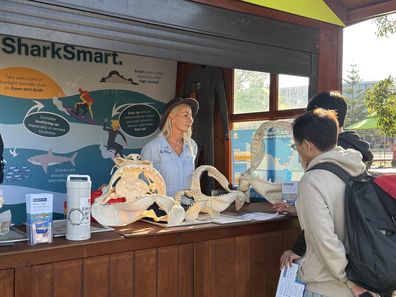
She explains that when a shark attack occurs in NSW, her role is to examine the bite pattern to find out what type of shark it was so she can determine any further actions needed to minimize the risk to swimmers and also gain some insight into the factors that may have influenced the interaction.
But she says her favorite part of the job is spending time in the field and leading the bull shark tagging research for NSW.

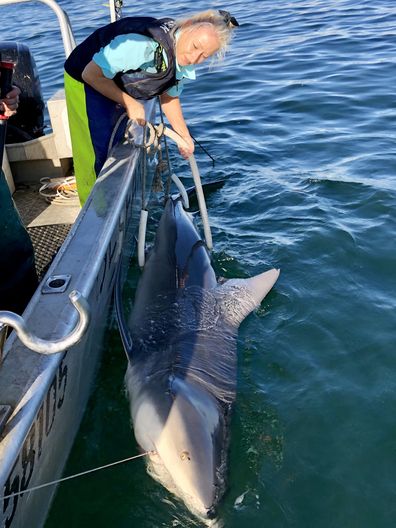
“I get to spend time in the field collecting data on animals that existed before the dinosaurs, but we know so little about them,” she says.
“Researching sharks is extremely rewarding, but it’s not a typical 9-to-5 job. My work is dynamic; every day is different. I work long hours, but it’s incredibly rewarding and fun.
“I am also very passionate about sharing our science with the public. Education and awareness are critical to improving public knowledge about sharks and reducing fear.
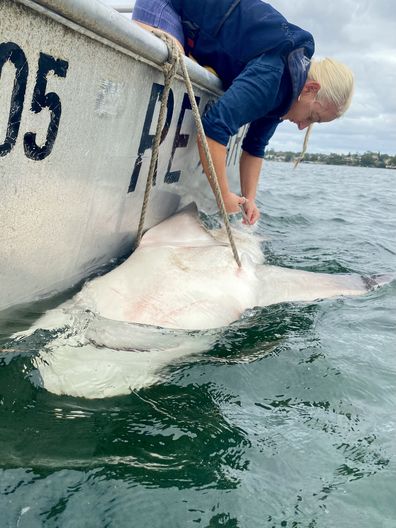
“By researching these apex predators, my goal is to provide science-based knowledge to the public, ultimately separating fact from fiction about largely misunderstood animals.”
New South Wales tagging study focuses on bull, white and tiger sharks and is ‘estimated to be the largest’ [program] in the world”, with 2,700 sharks tagged since 2015.
In the past sixteen years of her career, Smoothey has never been injured by a shark. She explains that the closest she’s gotten is a simple rash of dermal denticles, small tooth-like structures that cover a shark’s skin.
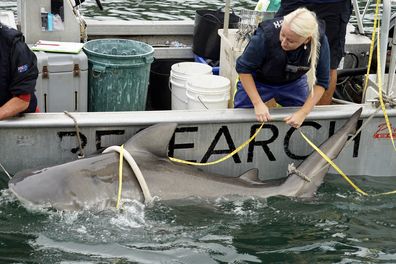
“If the skin is rubbed from the head to the tail, it is smooth, but if the skin is rubbed from the tail to the head, it is very abrasive and feels like sandpaper,” she explains.
Smoothey has worked with all kinds of sharks throughout her career, and joked that being asked to pick a favorite is basically like being asked to pick a favorite child.
But if she had to choose just one, it would have to be the bull sharks to which she has devoted her research for the past sixteen years.

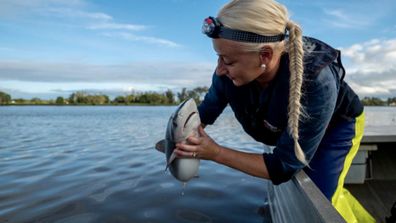
And while she understands sharks’ behavior, she must continually correct those who believe the animals are “man-eaters.”
“There are more than 182 species of sharks living in our oceans in Australia, and most pose no threat to humans, with only a small number of shark species responsible for unprovoked bites to water users,” she explains.
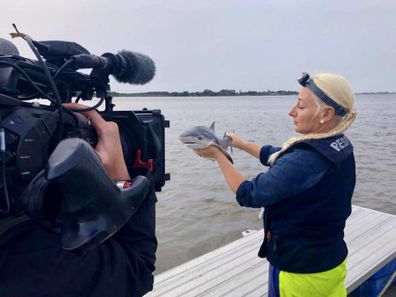
“But our fascination with sharks means that these rare shark bite events receive a lot of media attention.
“The majority of unprovoked bites are caused by mistaken identity, where sharks receive a research bite and realize we are not food and release them.
“It is clear that because sharks have no hands, they use their mouths to explore the object they are curious about, leading to injuries to people they interact with.”
Produced in collaboration with CareerOne.