Celebrity
Breast Cancer Diagnosis: Maya was told she was ‘too young’ for breast cancer, now she’s urging others to trust their gut | Mother’s Day Classic, Exclusive
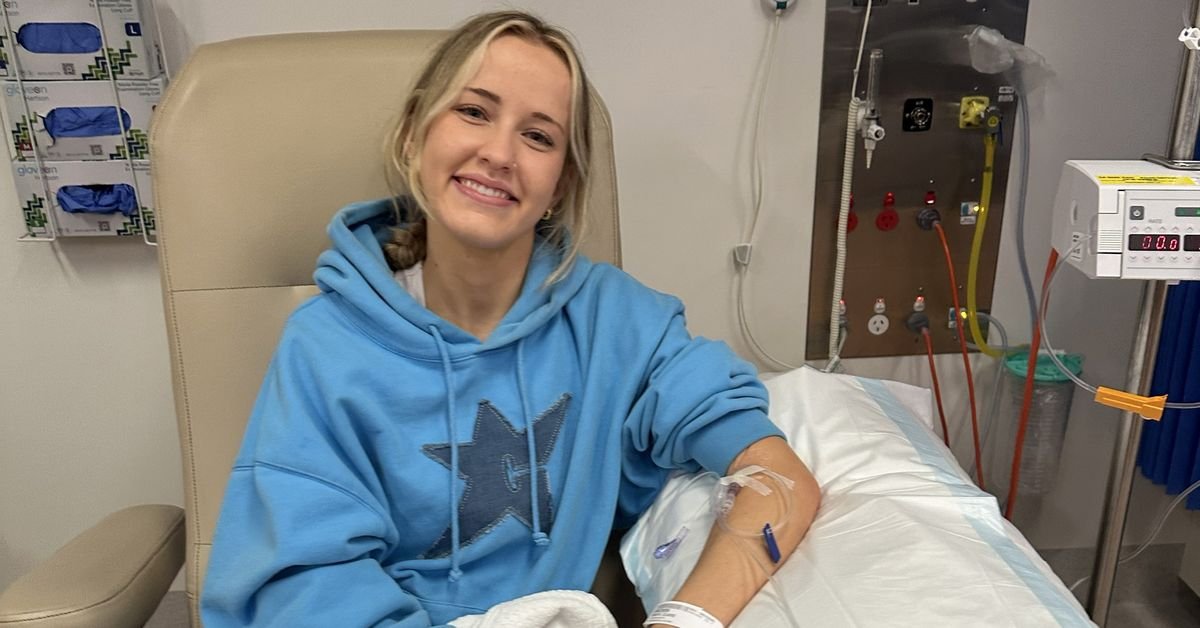
Maya Brown was told she was “too young” for that have breast cancer. But she couldn’t shake the feeling that something was seriously wrong.
The lump that the then 21-year-old had found in her breast months earlier was getting bigger and she knew she had to get it checked out.
“It was leading up to my 22nd birthday, and I went to the doctor and she recommended I have an ultrasound and a biopsy,” Brown told nine.com.au.
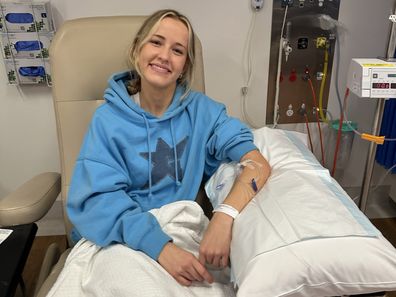
“They came back as atypical, but not decisive.
“She wasn’t my regular doctor, and she kind of dismissed it. She said she wasn’t recommending any further testing because I was actually too young and because I don’t have a family history.”
The lump was in her left breast, on the outside. Brown had found it during a self-examination.
“It just felt like a grape covered in its skin,” she said.
READ MORE: Child star pushes back on health claims about memory loss
READ MORE: Arnott’s Axes fan favorite biscuit to make way for a new flavour
READ MORE: Big news for Australian cricket star and fiancée
“I know it’s normal for breasts to be a little bumpy and that they can change at that time of the month, but I noticed this wasn’t normal.
“When the GP told me that she did not recommend looking into it further, I knew that I did not feel comfortable with that. I therefore asked to be referred to a specialist and she did so.”
The Adelaide woman told her parents and friends about the lump and they also assured her she was too young to have cancer and urged her to stay positive.
“They said things like, ‘I’m sure it’s nothing,’ but deep down I just felt like something wasn’t right.”
It took Brown another month to see the specialist, who she said was “amazing.”
“He took me seriously from the start. I had to do another ultrasound, a mammogram and another biopsy, so there were costs associated with those tests.”
Because she was under 40, Brown was not eligible for BreastScreen Australia’s free mammography program.
She had to pay upfront for every test she underwent, including the ultrasound and biopsy, and later claim a partial Medicare rebate.
The first biopsy alone cost just over $800, and so did the second.
All told, after discounts, it cost Brown about $1,500 to be diagnosed with stage 2A breast cancer.
Despite feeling like something was wrong, the diagnosis came as “a complete shock.”
“You don’t process it until much later. I think I’m still processing it now. It feels real now, and it felt real during treatment,” Brown says.
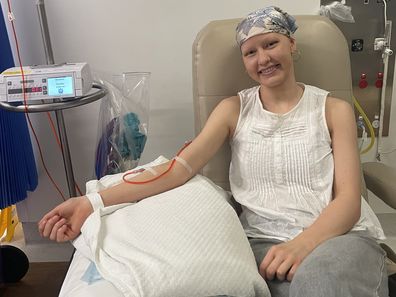
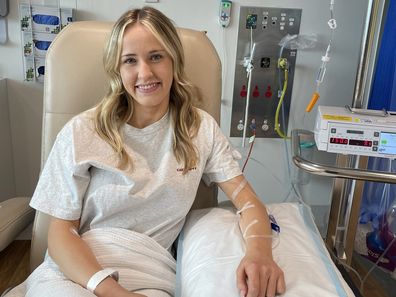
She underwent sixteen chemotherapy treatments in five months to shrink the cancer, followed by removal and then radiation.
She is on ongoing hormone therapy.
“My cancer is hormone sensitive, which means that in order to treat it and prevent it from coming back, I will have to be on hormone therapy for five to 10 years to deprive my body of estrogen,” she explained.
“I’m basically in medically induced menopause”
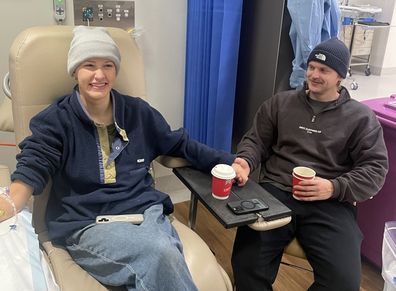
Brown was able to freeze eggs before starting cancer treatment to preserve her future fertility.
She said one of the most difficult parts of her cancer treatment was hormone therapy
“I don’t think it’s talked about enough because a lot of people don’t understand it,” she said.
“A large proportion of breast cancers are hormonal breast cancers, so the hormone treatment stops my body producing estrogen and shuts down my ovaries so they also stop producing estrogen.
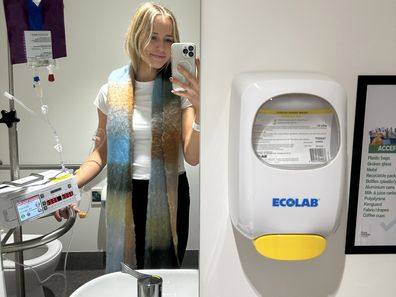
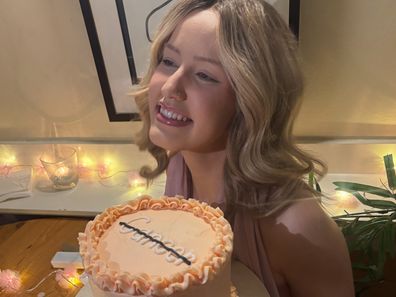
“The side effects can be even more severe than those experienced during natural menopause because it is such a shock to the body.”
“People are happy for me that I have completed treatment and am in remission, but there are a lot of other things I’m dealing with that aren’t talked about enough.
‘There may be lasting side effects of chemotherapy and radiation. You can get fatigue, things like that, even after the treatment is over.
“So it doesn’t really feel like it’s over. You feel like you’re kind of on your own.”
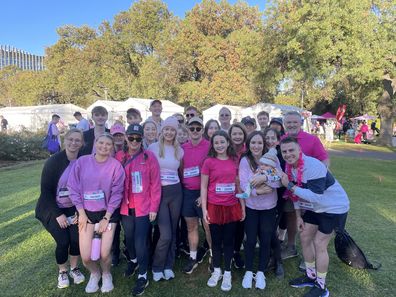
Brown is sharing her story ahead of the Mother’s Day classic on May 10 to urge young Australians to encourage young women to check their breasts and go to the doctor if they notice anything unusual.
“Every woman knows what is normal for them. As soon as I felt it, I knew it wasn’t normal for me,” she said.
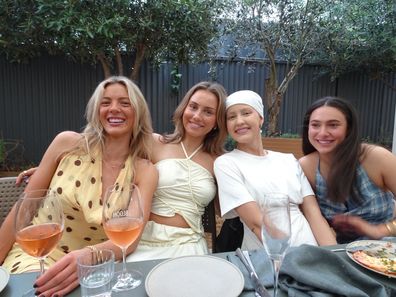
This year, she and her family and friends will once again compete in the Mother’s Day Classic, an event she describes as ’emotional’ but ‘a lot of fun’.
“I do it with my family and friends, which is a lot of fun,” she said.
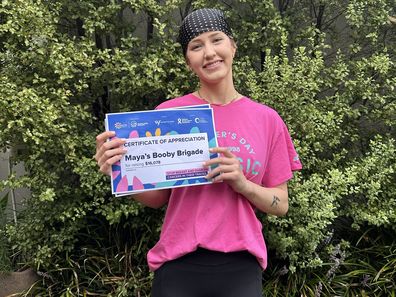
“The first time I did it, I was already through a few rounds of chemotherapy, so it was quite emotional, but we all put our heads together and managed to raise over $16,000.
“It felt like light in a dark time.”
The Mother’s Day classic returns for its 29the on Sunday, May 10, which is expected to attract up to 100,000 people nationwide across approximately 90 locations. Since its launch, the event has raised more than $50.8 million for critical breast and ovarian cancer research to improve outcomes. Visit for more information www.mothersdayclassic.com.au