
News
Victoria facing potential fuel jump of 8c/litre after refinery fire
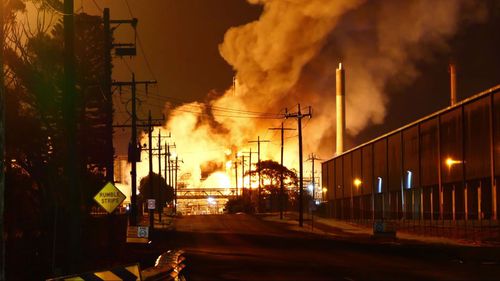
The fire that broke out at Viva Energy’s oil refinery on Wednesday evening has reduced diesel and jet fuel production to 80 percent of normal levels, and gasoline to 60 percent, while the timeline for repairs is currently unknown.
David Leaney of the Australian National University said the company’s production, which supplies 50 percent of Victoria’s fuel, would not be threatened.

“The main difference here is that Viva will buy additional fuel from the international market and they will import it and that will cover the shortfall,” he said.
However, he said Victorians could potentially see a price increase because Viva’s international purchases would be bargain prices rather than long-term contracts.
The spot price could be up to 8 cents per liter higher than the contract price, and Leaney said this could “potentially” be passed on at the pump.
“When would that happen? Pretty soon, once those replacement contracts are in place,” Leaney said.
Any price increase is expected to last for at least a few weeks.
Earlier this morning, Viva CEO Scott Wyatt said the costs incurred by the fire would be “absorbed” and not passed on to consumers.
“Except for this fire, costs actually went down and the number of stations running out of fuel went down – two really good trends,” Leaney said. Today.
“With the exception of Victorian motorists over the next two to four weeks, I think we could see petrol prices fairly stable.”
He said another good sign was the government’s securing of additional fuel supplies, with Prime Minister Anthony Albanese praising the success of bringing in 100 million liters from abroad.
However, that amount of fuel is typically what Australia uses in just 1.3 days – but Leaney said the bigger picture was showing improvement, with fuel reserves increasing from 32 days at the start of the crisis to almost 40 now.
“These are good trends and it is important that we get those supplies up,” he said.
NEVER MISS A STORY: Be the first to receive your latest news and exclusive stories by following us on all platforms.