News
Global conflict exposes the cracks in Australia’s food supply, warning from farmers
Australia’s food system is under pressure as global tensions spill into farming areas, with farmers already cutting back on plantings and warning of higher supermarket prices.
At its heart is a supply chain that few shoppers have thought about until now.
Fertilizer and diesel, both essential to modern agriculture, are transported via shipping lanes in the Strait of Hormuz.
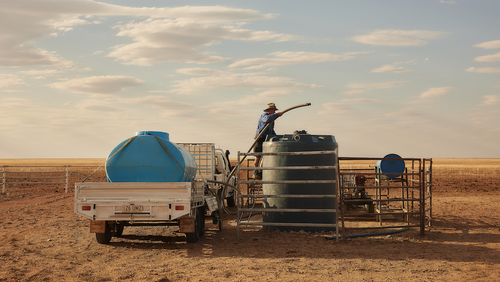
When movement through that corridor slows, costs rise and availability decreases, leaving farmers to wonder if they can afford to plant at all.
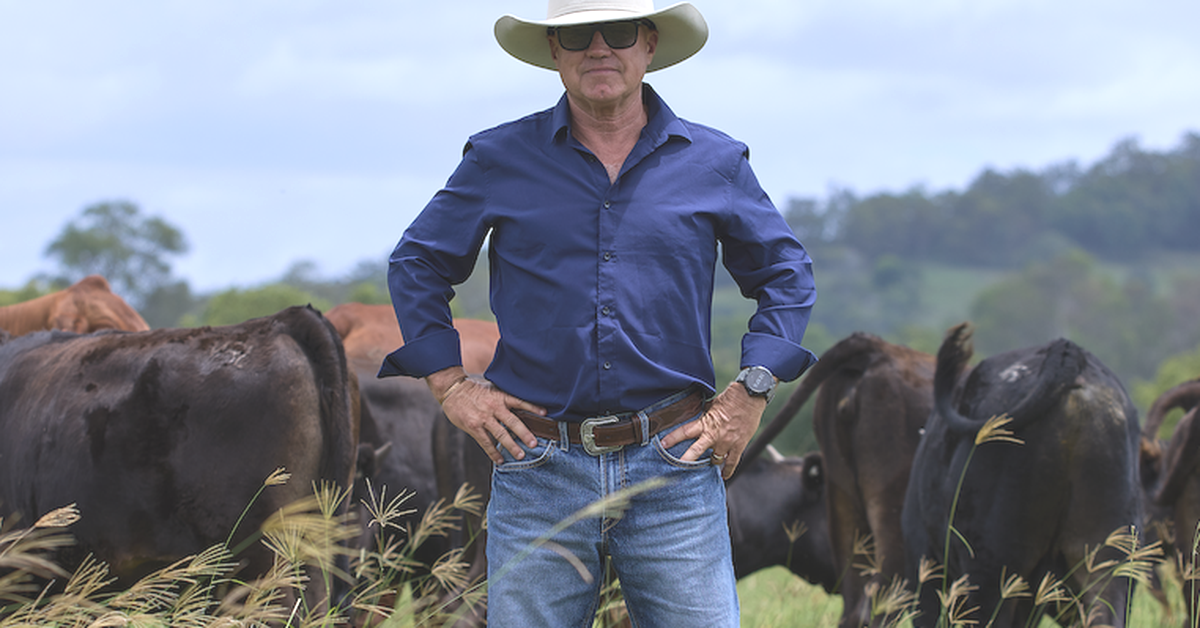
Chef, farmer and author Matthew Evans said the current crisis has exposed how vulnerable Australia is.
“What’s happening now is a wake-up call,” Evans said.
“Our entire food system is dependent on imported fertilizer and diesel. If that is disrupted, everything becomes more expensive, and that flows directly into supermarket prices.”

New figures from AUSVEG show that more than a quarter of vegetable growers have already reduced or stopped planting.
The impact will not be exclusive to farms. Tighter supplies later in the year are likely to push up prices for everyday staples such as bread, pasta and beer – and not just fresh produce.
Toowoomba grazing and agricultural services system DIT AgTech founder Mark Peart said farmers are already adapting their operations to stay afloat.
“Some are cutting back on fertilizer use, some are reducing inventory numbers, and others are postponing or rethinking parts of their operations because the cost of diesel and raw materials has become so unpredictable,” he said.
/https%3A%2F%2Fprod.static9.net.au%2Ffs%2F1bb1597f-024d-4caf-9b0d-993c1a7a22f5)
Peart said uncertainty is driving these decisions, with farmers often unsure of what they will pay and whether supplies will arrive on time.
“We’re also seeing a move toward efficiency as farmers look for ways to use less diesel, reduce labor and get more out of what they’re already doing,” he said.
Reducing costs can only go so far in a system built on imported fertilizer and fuel.
Chandana Maitra, a senior lecturer in economics at the University of Sydney, said the problem lies at the heart of how Australian farms farm, with urea – a nitrogen-rich compound used in fertilizers – and diesel both sourced from overseas.
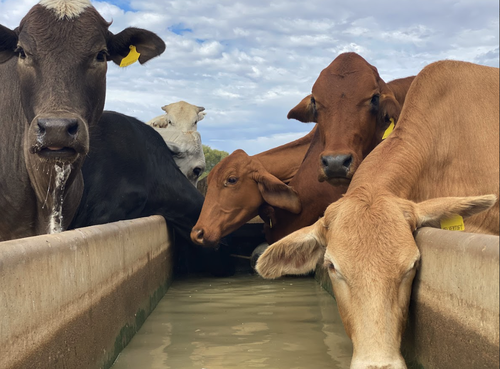
When shipping routes get into trouble, it becomes more difficult to secure fertilizer. At the same time, there are higher fuel costs at every stage of farming, reducing production and increasing prices.
Australia is dependent on imported fertilizer, much of which is transported through key shipping lanes such as the Strait of Hormuz, a crucial global chokepoint.
The result could be broader price pressures across the economy. If this continues, it could delay interest rate cuts or keep inflation high for longer.
The Middle East is also an important market for some Australian agricultural exports. Continued instability could weigh on export earnings, while disruptions in fuel and fertilizer markets continue to drive up domestic costs.

Evans said the focus now must be on how the nation responds.
“This could be the moment that finally forces us to rethink the way we grow food,” he said.
“Because it doesn’t have to be this way.”
China’s move towards electrified transport and logistics shows how quickly systems in different sectors can change. With less diesel in the mix, urban transportation and delivery networks are less vulnerable when oil prices rise.
For Australian farmers, attention now turns to the winter planting period – an important period that will determine supply later in the year.
Many are already scaling back after successive shocks, including COVID-19 and the war in Ukraine, both of which have driven up fertilizer prices.
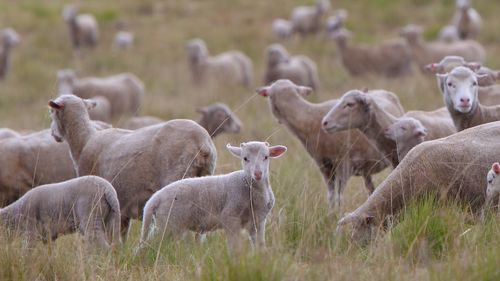
“At some point you have to ask yourself: How many times do we have to learn the same lesson?” Evans said.
Evans sees an opportunity at the farm gate. Healthier soils, less fertilizer and a broader mix of crops can ease the burden on farmers in the long term.
“These are small, practical changes that reduce costs, improve soils and make farms less dependent on expensive inputs,” he said.
Australia still produces enough food to feed three times its population and exports most of what it grows – a strong position, although one Evans said will not be able to sustain without adapting to volatile markets.
“We have the land, the knowledge and the people. What we need now is to apply that knowledge in a way that reduces our exposure to global shocks.”
NEVER MISS A STORY: Be the first to receive your latest news and exclusive stories by following us on all platforms.