Celebrity
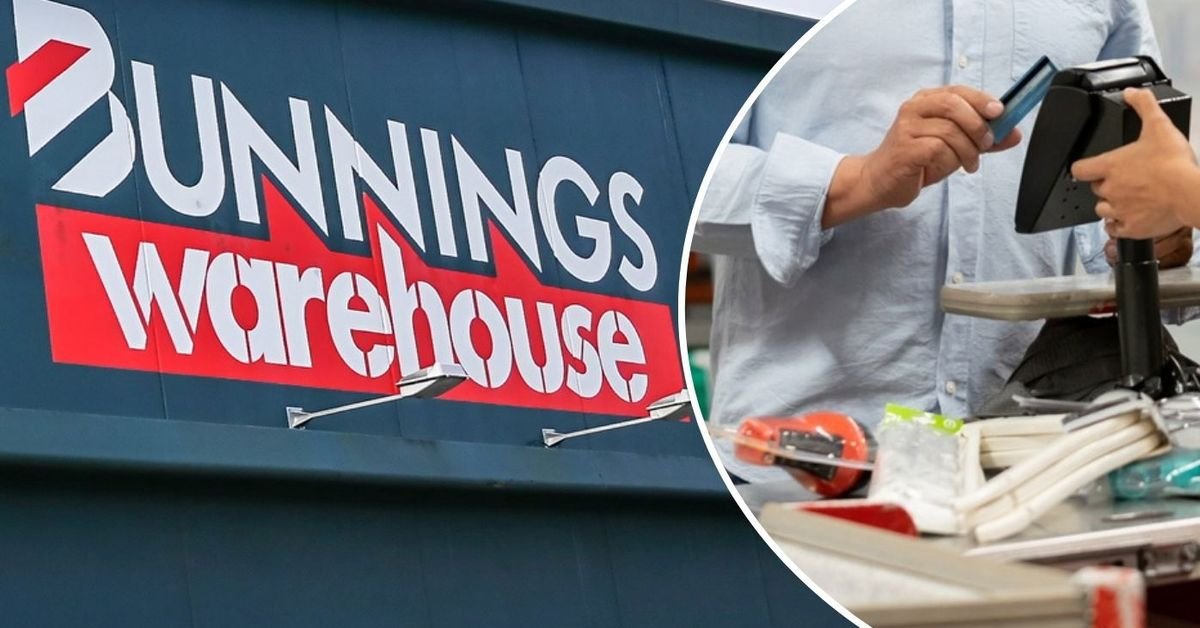
Bunnings self checkout: The rule catching shoppers out
Since their introduction in the early 2020s Bunnings self-checkouts have become a staple for DIYers who want to skip the line.
Designed with ample room to maneuver large and bulky objectsthey looked like the ultimate convenience,
That was until I realized there’s one thing you can’t do with them: pay in cash.
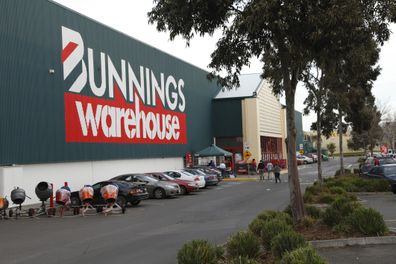
I came across this during a recent cat food and litter restocking.
My partner and I headed straight to the nearest kiosks, wallets at the ready.
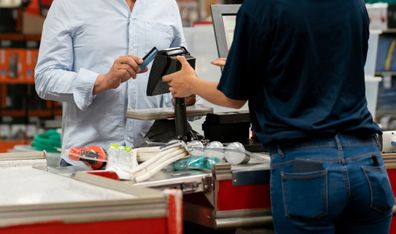
Luckily, a sharp-eyed employee spotted the notes in my hand before we could even scan the first item and told us that if we wanted to pay with cash, we would have to go to a manned cash register.
Having never tried paying cash at a self-checkout before, the restriction took us completely by surprise.
READ MORE: The trend in Coles’ latest results spells trouble for Aldi
READ MORE: Australia’s most trusted brands revealed
READ MORE: Australia’s best supermarket butter of 2026
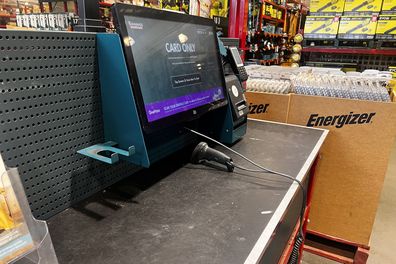
It wasn’t until a follow-up trip that I realized the signs had been there all along. Right there on the screen in bold, unmistakable capital letters was the reminder: CARD ONLY.
While many retailers have switched to cashless kiosks to speed up maintenance and reduce security risks, it remains an issue for shoppers who prefer physical cash.
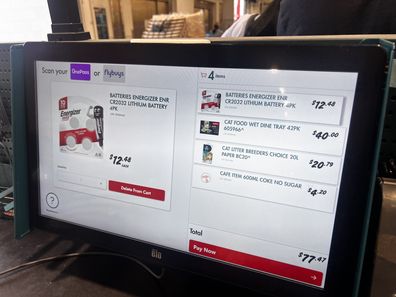
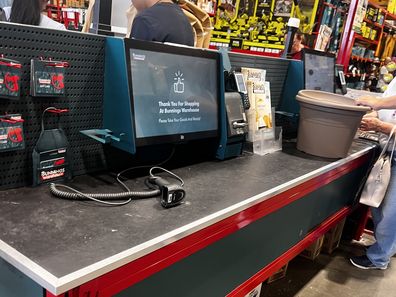
Everything else about Bunnings self-checkouts has been designed with convenience in mind, including scanner guns, so you can easily scan large and heavy items without removing them from the trolleys.
You can even use gift cards to pay at self-checkout, including split payments between gift cards and debit/credit cards.
Bunnings has recently been included in the 2026 Reader’s Digest Trusted Brands Survey, which lands at number four on the list, only behind Dettol at number one, Panadol at number two and Toyota at number three.
According to Reader’s DigestThe brands found to be most trusted this year had all stepped up their efforts to ‘support customers through changing economic pressures’ and thereby ‘maintain trust during a cost of living crisis“through their “relentless focus on relevant innovation, real value for money and, above all, authenticity”.
Bunnings certainly ticks all these boxes and has done so since it first launched its current, highly successful ‘big-box’ warehouse model in Australia in 1994.
This was the work of Wesfarmers who bought the brand that same year.
Wesfarmers also owns Kmart, Target and Officeworks, as well as repairer of safety products Blackwoods and health brands such as Priceline and InstantScripts.
Bunnings strengthened its ties with local communities through their iconic fundraising sausages, run by local community and charity groups.
Bunnings also operates discreet cafes within the stores where they are located currently selling Tasmanian Bakeries’ iconic Cheeseburger Pie only for a limited time.
FOLLOW US HERE ON WHATSAPP: Stay updated with the latest celebrity news, lifestyle and opinions through our WhatsApp channel. No comments, no algorithm and no one can see your private data.