Celebrity
Grocery budget: The $4 ‘invisible’ checkout expense ruining your grocery budget every week | Supermarket Sleuths
We’ve all been there: you’ve navigated the aisles like a pro, stuck to your list, and you’re just seconds away from the finish line. Then you go to the checkout.
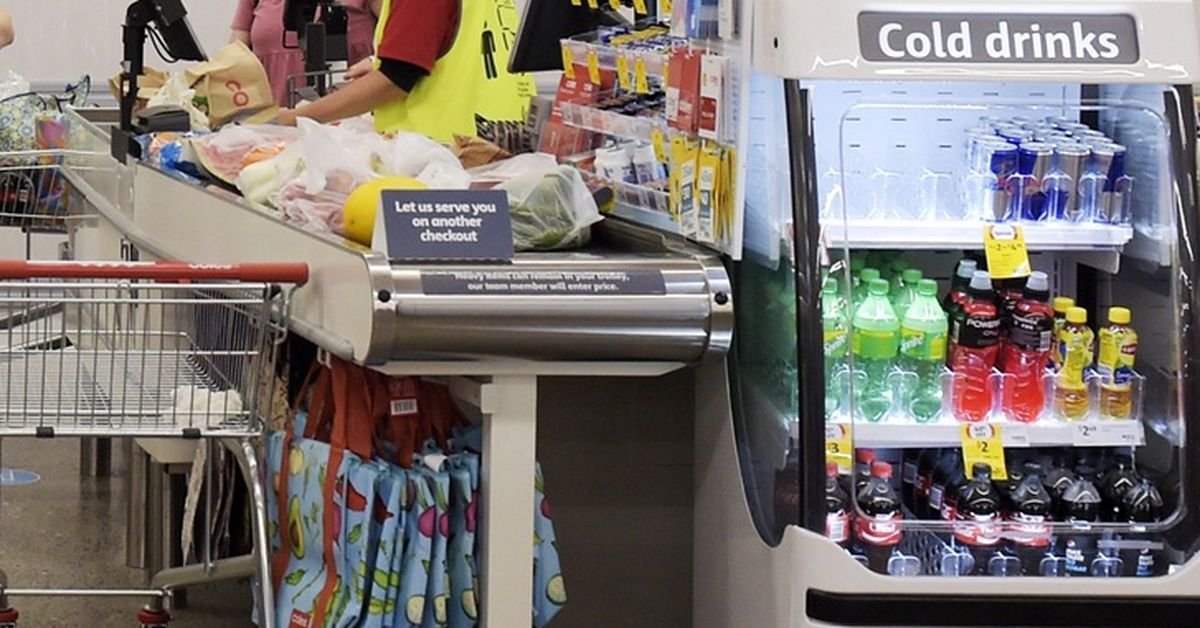
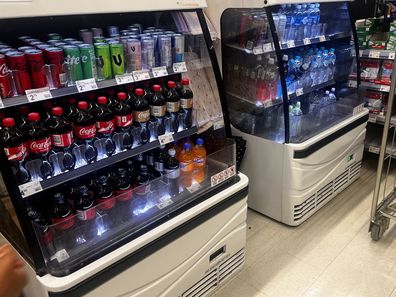
Suddenly that condensation covered bottle of liquor is staring you down. It’s cold, it’s out there, and despite your best intentions, your grocery budget is about to take a hit.
Whether you have a Coles, Woolworths or Aldi loyalistthese cash register drinks are the ultimate ‘final boss’ of impulse purchases.
But why is it so difficult to just say no?
Nadja Dollisson, a consumer expert from RMIT, says it’s less about a lack of willpower and more about how our brains are programmed to react in that particular moment.
“You arrive at the checkout already mentally tired, slightly warm from walking around the store, and there it is: a cold drink, placed at eye level and within reach,” Dollisson explains to nine.com.au.
“At that moment, your brain isn’t carefully weighing the cost or the need. It’s responding to immediate relief, while the part of you that would normally say, ‘You don’t need that,’ is running out of steam.”
READ MORE: Bakers Delight is making major changes to its store renovation
READ MORE: Coffee prices are soaring as bean supplies reach record lows
READ MORE: How Grocery Stores Use Yellow Tags to Charge You More
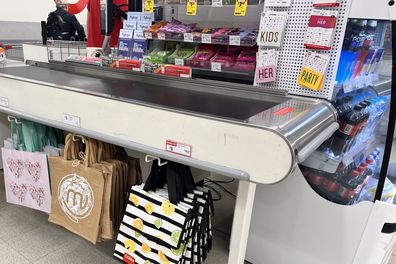
Gavin Northey, associate professor in Griffith University’s Department of Marketing, agrees, adding that supermarket checkouts are “a perfect storm” for impulse buying.
“Shoppers are tired both mentally and physically from navigating the store and making endless decisions,” he says.
What feels like a lack of self-control actually is “resource depletion” as a result of the task of grocery shopping, making shoppers “more susceptible to unexpected impulse purchases.”
“Plus, who wouldn’t want a drink while standing in line at the supermarket after an hour!”
One reassurance is the fact that the price of chilled drinks posted at supermarket checkouts is exactly the same as their warmer counterparts in the drinks section.
A recent one Reddit thread highlighted how lucrative these cold drinks are for supermarkets, with a Woolworths customer sharing a photo of the instructions given to staff tasked with keeping these cold drinks displays well stocked.
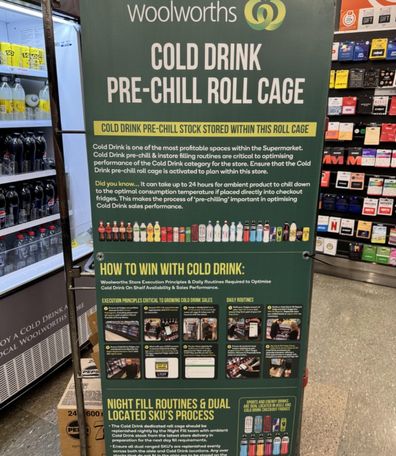
“Don’t think we’d see this, but I won’t be buying cold drinks again out of spite,” they shared in the ‘Woolworths’ thread.
The instructions on a Woolworths “Cold Drink Pre-Chill Roll Cage” explained that cold drinks are “one of the most profitable areas in the supermarket”.
“Cold beverage pre-chilling and in-store routines are critical to optimizing the performance of the in-store cold beverage category,” the report said, adding that it can take “up to 24 hours for the ambient product to cool to its optimal consumption temperature” when placed directly into checkout refrigerators.
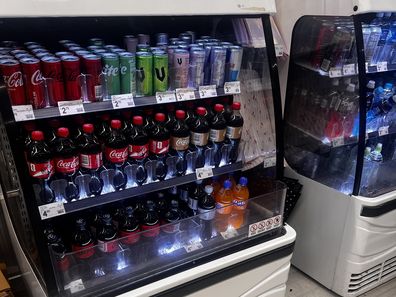
“This makes the ‘pre-chill’ process important in optimizing cold beverage sales performance.”
It’s not just chilled drinks that are doing big business at the supermarket checkout. Shoppers are also grabbing chocolates, lollipops, gum and, at Aldi’s more unique checkouts, batteries and beef jerky sticks.
And it is exactly the same psychology that sees us reaching for a cold drink while waiting in line at the checkout, that sees us reaching for this.
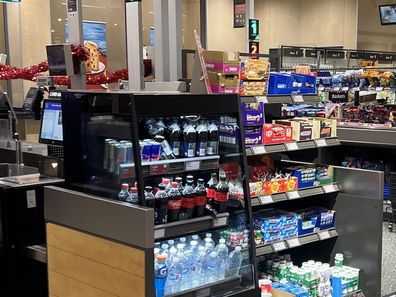
Coles and Woolworths are also stocking their tills with magazines, gift cards and seasonal products such as Mother’s Day gifts.
How can Australian shoppers avoid these impulse purchases? Especially after successfully avoiding them while navigating the aisles of the grocery store for their groceries for the week?
Northey proposes two “old school solutions.” He says that ‘pre-commitment’ in the form of a shopping list to stick to is essential. He also suggests using cash for trips to the grocery store.
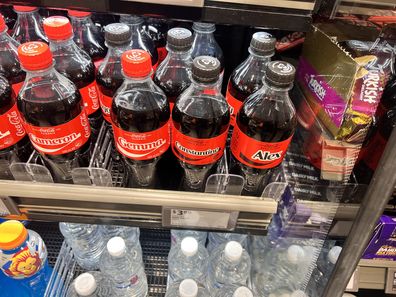
‘Research in behavioral sciences has shown this ‘pre-commitment’ is the keySo for regular people like us, that means make a list of what you need and stick to the list,” he says.
‘That limits the guesswork and deliberation in the aisle that encourages impulse purchases.
“An alternative, and this may sound a bit old-fashioned, but using cash can limit the chance of impulse purchases.
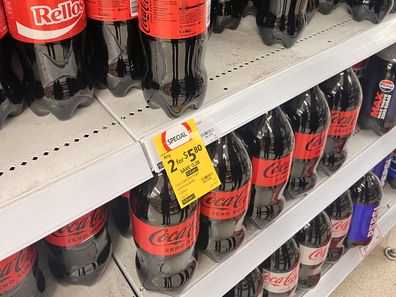
“Essentially, using your card or your phone to pay for something disconnects the psychological ‘pain of paying’ from the actual purchase.
“On the other hand, if you have to hand over a fifty-dollar bill for that random, unplanned product, you’re much more likely to think twice about picking it up in the first place.
FOLLOW US HERE ON WHATSAPP: Stay updated with the latest celebrity news, lifestyle and opinions through our WhatsApp channel. No comments, no algorithm and no one can see your private data.