News
United Arab Emirates says it will leave OPEC effective May 1
The UAE’s decision had been rumored for some time as a possibility as it pushed back in recent years against OPEC production quotas that it said were too low – meaning the country could not sell as much oil to the world as it would have liked.
The UAE was a long-time member of OPEC, first through its emirate of Abu Dhabi in 1967 and later when the UAE became its own country in 1971.
The country produced about 3.4 million barrels of crude oil per day, just before the United States and Israel started a war against Iran on February 28.
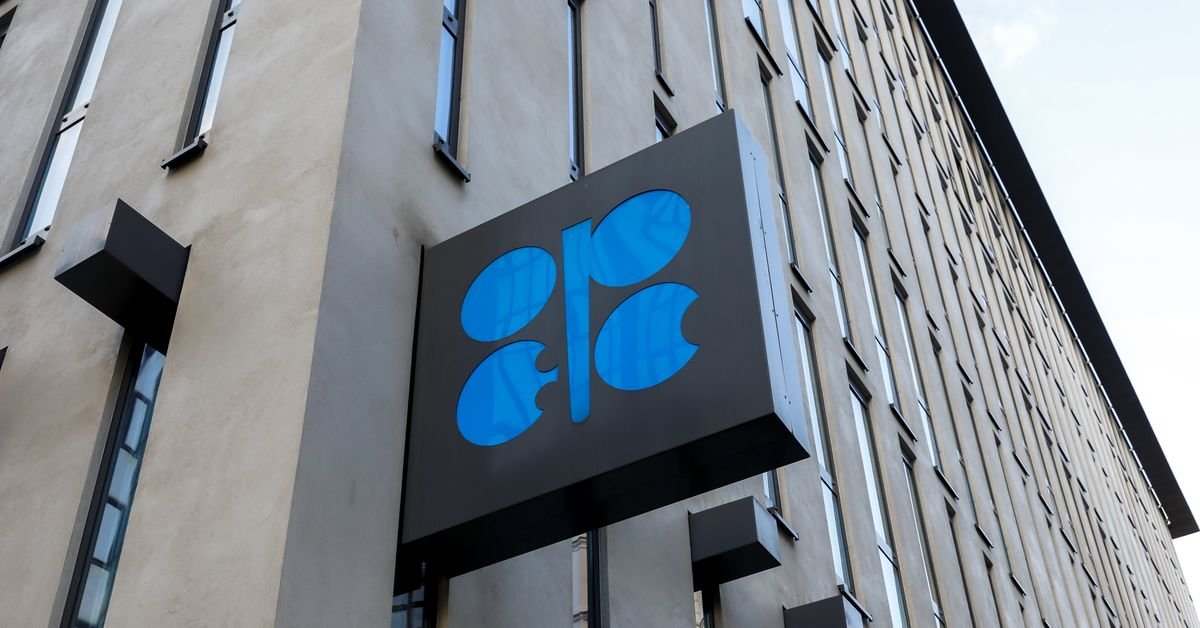
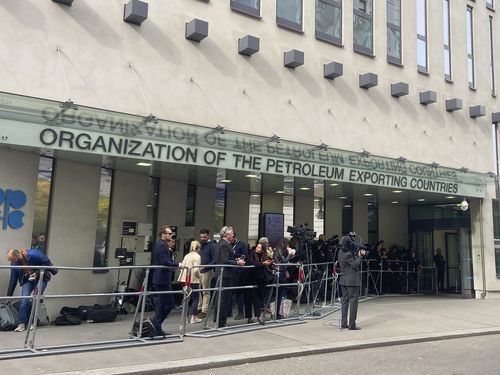
The UAE announced its plans to withdraw from the Organization of the Petroleum Exporting Countries (OPEC) via state news agency WAM, saying it would also leave the broader OPEC+ group, which Russia had led to try to stabilize oil prices.
“This decision reflects the UAE’s long-term strategic and economic vision and evolving energy profile, including accelerated investments in domestic energy production, and reinforces its commitment to a responsible, reliable and forward-looking role in global energy markets,” the UAE said.
“Post-exit, the UAE will continue to act responsibly by bringing additional production to market in a gradual and measured manner, in line with demand and market conditions,” the country added.
Big blow for the oil cartel and Saudi Arabia
OPEC quotas had recently limited the UAE to 3.2 million barrels of production per day, when in fact the country has capacity to produce closer to 5 million barrels per day, Robin Mills, the CEO of Dubai-based consultancy QamarEnergy, told CNN. Connect the world.
The impact on global energy markets if the UAE pumps more oil is likely to be limited in the short term as the Strait of Hormuz remains largely closed. Much of the oil and natural gas exported by Gulf producers passes through the strait in normal times.
“But it does suggest that global supply will be higher than would otherwise be the case once the Strait of Hormuz reopens,” David Oxley, chief climate and commodities economist at consultancy Capital Economics, wrote in a note.
The “bigger picture is that the UAE is keen to pump more oil” as it has invested heavily in expanding production capacity in recent years, he added.
The announcement reflected an “intensified focus on national interests” among Gulf states, said Robert Mogielnicki, head of Polisphere Advisory, a Paris-based consultancy.
“This decision has been in the planning for some time, but comes at a crucial time for the Middle East and OPEC itself,” he told CNN.
Saudi Arabia has long been considered a heavyweight of OPEC, an oil cartel based in Vienna that has seen some of its market power diminish as the United States has increased its crude production in recent years.
Saudi Arabia and the UAE have increasingly competed with each other over economic issues and regional politics, especially in the Red Sea region.
The two countries had joined together in a coalition in 2015 to fight Iran-backed Houthi rebels in Yemen.
However, that coalition erupted into accusations in late December when Saudi Arabia bombed an arms shipment destined for Yemeni separatists backed by the UAE.
Saudi broadcasters long based in Dubai, the UAE’s economic hub, have retreated to the kingdom in recent months and tensions have risen.
NEVER MISS A STORY: Be the first to receive your latest news and exclusive stories by following us on all platforms.